
Dubai Allocates Dh1.8 Billion to Global Humanitarian Aid, Touching 111 Million Lives
Dubai has once again reinforced its status as a global humanitarian leader, with the Mohammed bin Rashid Al Maktoum Global Initiatives (MBRGI) investing Dh1.8 billion in aid and development projects in 2023. The impact of these efforts reached over 111 million people across 105 countries, marking a significant increase in both reach and resources compared to previous years.
This record-breaking achievement underscores the UAE’s growing commitment to alleviating global suffering and fostering hope across communities affected by poverty, conflict, and natural disasters.
🌍 Global Reach, Expanding Impact
In just one year, MBRGI:
Extended operations to 105 countries (5 more than in 2022)
Reached 111 million beneficiaries, 9 million more than the previous year
Mobilized over 160,000 volunteers alongside 1,028 dedicated staff
Increased humanitarian spending from Dh1.4 billion (2022) to Dh1.8 billion (2023)
A Dh50 million aid package to Gaza was among the many targeted efforts, along with relief for Syrian and Turkish earthquake survivors and emergency support for displaced communities in Sudan, as part of the “Bridges of Goodness” campaign.
🗣️ Leadership Speaks: A Vision for Global Good
Following a meeting at the Dubai Opera, His Highness Sheikh Mohammed bin Rashid Al Maktoum, UAE Vice President, Prime Minister, and Ruler of Dubai, shared a message of hope and responsibility:
“Every time we reach someone in need—fighting poverty, disease, or ignorance—it’s a victory for humanity. From aid and education to empowerment and innovation, our aim is to restore hope and create sustainable progress.”
Echoing this sentiment, Sheikh Hamdan bin Mohammed bin Rashid Al Maktoum, Crown Prince of Dubai, reaffirmed the UAE’s global role in humanitarian leadership:
“MBRGI has turned charitable work into a structured, sustainable mission—rooted in the UAE’s founding values and commitment to building a better future for all.”
🏆 Milestones & Notable Campaigns in 2023
🔹 1 Billion Meals Endowment
Raised Dh1.075 billion from 180,000 donors
Included Sheikh Mohammed’s personal contribution of Dh250 million in assets and funds
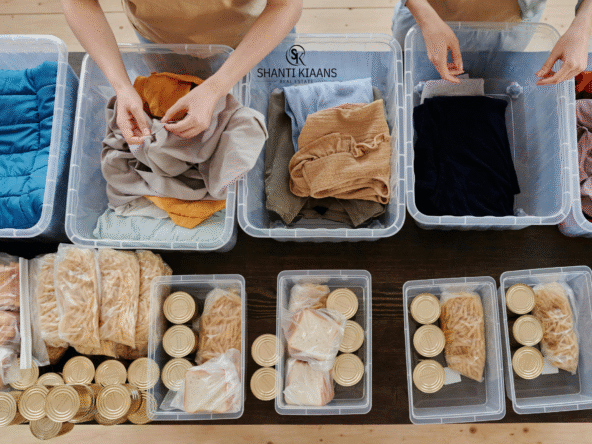
Set up the region’s largest sustainable food endowment to combat global hunger
🔹 Mothers’ Endowment Campaign
Launched a Dh1 billion endowment fund
Aims to support global education initiatives in honour of mothers
🔹 Dubai Cares
Impacted 24 million beneficiaries across 60 countries
Continued funding innovative education models and vocational training programmes
🔹 Philanthropy Awards
The Mohammed bin Rashid Al Maktoum Medal for Philanthropy recognized key contributors
Total value of charitable prizes awarded: Dh25.1 million
🚀 Looking Ahead: A Legacy of Sustainable Aid
In collaboration with the World Economic Forum, MBRGI also launched the Food Innovation Hub UAE, aimed at advancing sustainable food systems through technology and global partnerships.
With its steadily growing impact and transparent governance, MBRGI continues to inspire regional and international philanthropy—serving as a model for institutionalized humanitarian work that goes beyond emergency aid to create long-term development opportunities.
📌 Quick Highlights
UAE to Introduce Facial Recognition-Based Digital ID, Replacing Physical Emirates ID Cards
In a move set to redefine digital identity in the region, the UAE is preparing to launch a new facial recognition-based digital ID system that will eventually eliminate the need for carrying physical Emirates ID cards. The initiative aims to simplify identity verification across key sectors such as banking, healthcare, hospitality, and telecommunications.
The system is expected to go live within the next year, with gradual implementation across services already in progress.
🔍 Why the Shift to Digital ID?
The transition comes in response to feedback from residents and Federal National Council (FNC) members, who raised concerns about the ongoing reliance on physical IDs despite the UAE’s rapid digital transformation.
FNC member Adnan Al Hammadi highlighted persistent issues faced by residents:
Patients still need to present physical IDs at hospitals
Banks require the original ID for transactions
Hotel guests often cannot check in without their physical card
“These delays contradict the UAE’s smart government vision. Fast, efficient digital alternatives are long overdue,” he stressed.
📱 What Is the e-Emirates ID?
The e-Emirates ID is a digital version of the physical Emirates ID card. It’s already available via government apps such as UAEPASS and ICP UAE, and can be used to verify identity for a growing list of public and private services.
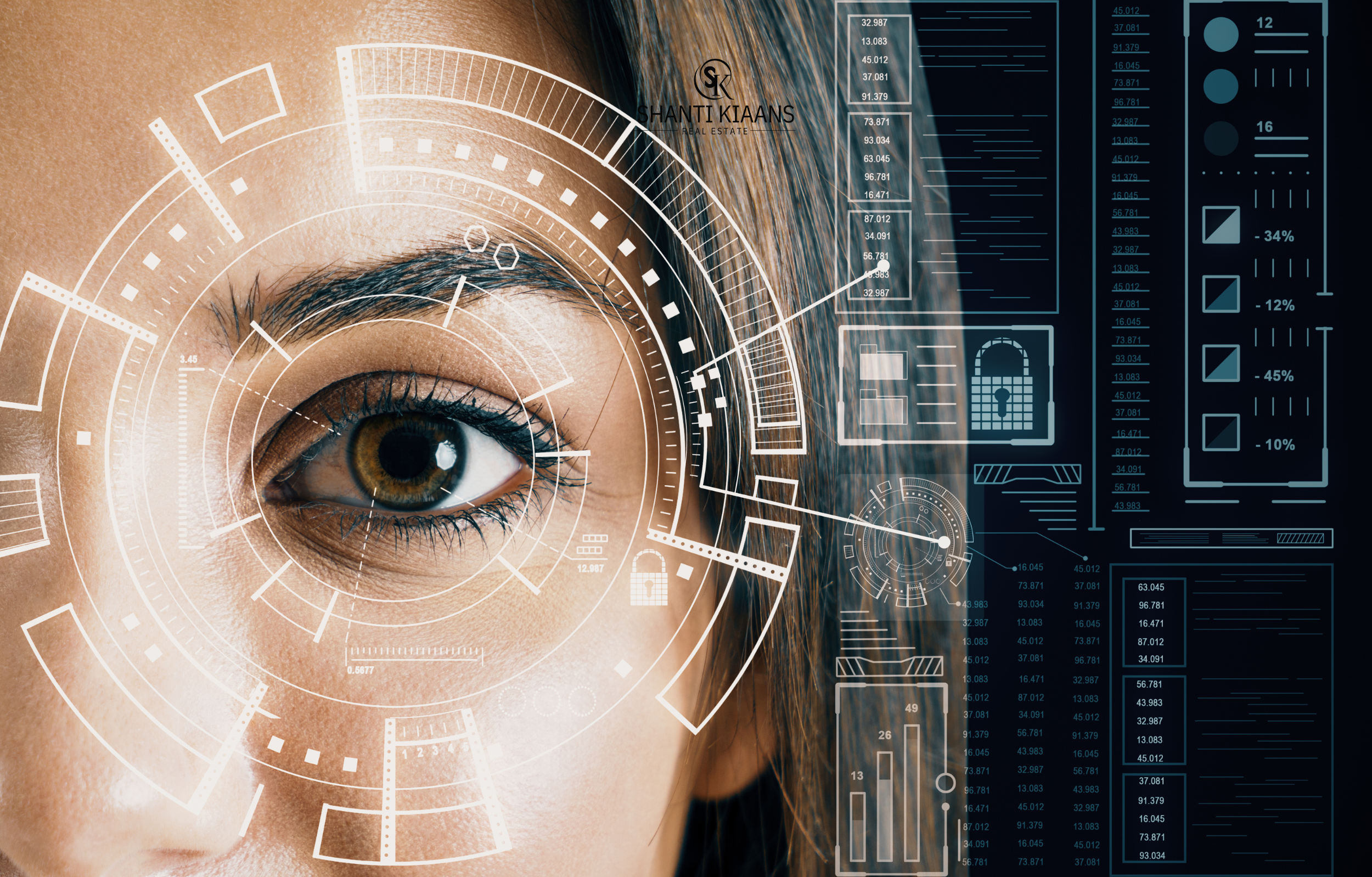
The new digital ID framework will take this a step further, introducing facial recognition and biometric verification to eliminate the need for any physical document — making identity checks seamless, secure, and contactless.
🧠 How Will It Work?
The Federal Authority for Identity, Citizenship, Customs, and Port Security (ICP) is spearheading the development. Here’s what to expect:
Facial recognition tech integrated into service portals and physical access points
Biometric verification through secure apps like UAEPASS
A centralized digital ID system connected to essential service providers
Compliance with strict data protection laws to ensure security and user privacy
🧩 Challenges and Partnerships
While promising, authorities acknowledge there are challenges ahead — particularly in aligning verification systems across industries and ensuring smooth user adoption.
To address this, the ICP is actively working with public and private sector partners to:
Test advanced biometric systems
Expand e-ID access to sectors like finance, healthcare, and hospitality
Provide user support and build trust through privacy-first solutions
🛡️ A Step Toward a Smarter, Paperless Future
The new system reflects the UAE’s broader smart governance strategy — one that prioritizes digital convenience, security, and service accessibility. It builds on earlier innovations such as the introduction of UAEPASS, the UAE’s unified national digital identity system launched during GITEX 2021.
This transition also supports the nation’s vision to reduce physical documentation, improve digital efficiency, and provide residents with faster, more secure access to essential services.
📝 Key Takeaways
| 🔑 Feature | Details |
|---|---|
| New System | Facial recognition-based digital ID |
| Rollout Timeline | Within 12 months |
| Replaces | Physical Emirates ID for most services |
| Key Sectors | Banking, Healthcare, Hospitality, Telecom |
| Powered by | ICP, UAEPASS |
| Security Focus | Biometric authentication, data protection laws |
✅ What Can You Do Now?
Residents are encouraged to activate and familiarize themselves with the UAEPASS app, which already offers secure access to digital documents, including the e-Emirates ID.
As the UAE prepares for a fully digital identity future, early adoption will ensure residents and businesses are ready to benefit from the shift.